Understanding the Easter Story for KS1 Pupils
Easter is one of the most significant Christian festivals, marking a pivotal moment in history: the death and resurrection of Jesus Christ. For Key Stage 1 (KS1) children, introducing this profound narrative requires clarity, sensitivity, and age-appropriateness. Delving into the Easter Story KS1 provides not only a foundational understanding of Christian beliefs but also sparks discussions about themes of love, betrayal, hope, and new beginnings.
The journey of the Easter Story follows the final days of Jesus on Earth, culminating in a miraculous event. Here’s a simplified breakdown to engage young minds:
- Arrival in Jerusalem: Jesus travelled to Jerusalem with his disciples. Many people welcomed him with joy, laying palm branches and cloaks on the road, celebrating him as a king. However, some powerful high priests were wary, questioning his claims of being the Son of God. This event is commemorated on Palm Sunday.
- The Betrayal: Sadly, one of Jesus's own disciples, Judas Iscariot, betrayed him. He secretly met with the high priests and agreed to lead them to Jesus in exchange for thirty pieces of silver.
- The Last Supper & Arrest: Before his arrest, Jesus shared a final meal with his disciples, known as the Last Supper. Here, he broke bread and shared wine, instructing them to remember him. Soon after, Judas led soldiers to Jesus, and he was arrested.
- Condemnation: Jesus was brought before Pontius Pilate, the Roman governor. Despite finding no fault in Jesus, Pilate succumbed to the crowd's demands and condemned him to die on a cross.
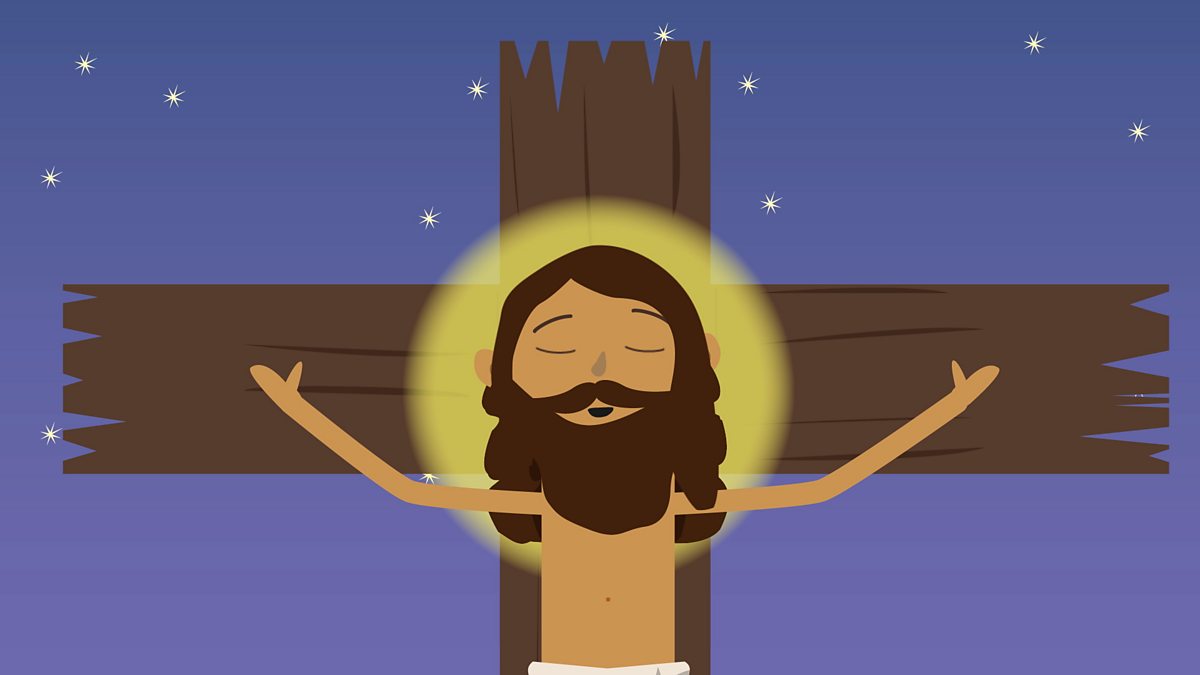
- The Crucifixion: Jesus was led to a hill called Golgotha and crucified. This was a very sad and painful event, representing the ultimate sacrifice. This day is known as Good Friday.
- The Burial: After his death, Jesus's body was taken down from the cross and placed in a tomb, which was a cave. A very large stone was rolled in front of the entrance to seal it.
- The Empty Tomb: On Sunday morning, Jesus's friends visited the tomb. To their astonishment, the huge stone had been rolled away, and the tomb was empty! An angel appeared, telling them that Jesus was not there; he was alive again! This incredible event is celebrated on Easter Sunday.
- Jesus Appears: Over the next few days, Jesus appeared to many of his disciples and friends, proving that he had truly risen from the dead. He asked them to go and share this wonderful news with everyone.
- The Ascension: Forty days after his resurrection, Jesus ascended into Heaven to be with God, his Father. He promised his disciples that he would always be with them.
This narrative provides the spiritual core of Easter. For a deeper dive into the miraculous aspect, explore The Easter Story for KS1: Explaining Jesus' Resurrection.
Exploring Holy Week: A Journey to Easter Sunday
The Easter Story KS1 is intricately linked with Holy Week, the week leading up to Easter Sunday. This period is a crucial part of the Christian calendar, allowing children to understand the progression of events that led to Jesus's resurrection. Presenting Holy Week as a chronological journey can help KS1 pupils grasp the sequence and significance of each day.
Holy Week begins with:
- Palm Sunday: Commemorates Jesus's triumphant entry into Jerusalem, where crowds welcomed him by waving palm branches. It sets a joyful tone that quickly shifts.
- Maundy Thursday: Marks the Last Supper, where Jesus shared his final meal with his disciples and washed their feet as an act of humble service. It also highlights the impending betrayal by Judas.
- Good Friday: The most solemn day of Holy Week, remembering Jesus's crucifixion and death. It's a day of reflection on his sacrifice.
- Easter Sunday: The culmination of Holy Week and the entire Easter Story. It's a day of immense joy and celebration, commemorating Jesus's resurrection and triumph over death.
To help KS1 children understand Holy Week, consider creating a simple timeline or story map. Each day can have a distinct symbol or colour associated with it – green for Palm Sunday (palms), purple for reflection during the week, and bright colours for Easter Sunday. This visual aid helps them connect the dots and understand the emotional journey from sorrow to immense joy.
Engaging Activities to Bring the Easter Story to Life for KS1
Making the Easter Story KS1 relatable and memorable for young learners involves more than just reading the narrative. Hands-on activities are crucial for engagement and comprehension. Here are some fantastic, adaptable ideas that educators and parents can use, many inspired by excellent lesson packs:
- Palm Sunday Cloze Procedure: A 'fill-in-the-blanks' activity for the Palm Sunday part of the story helps reinforce key vocabulary and events. Provide a short, simplified paragraph about Jesus's entry into Jerusalem and let children choose words from a word bank to complete it. This boosts literacy skills while recounting the narrative.
- Last Supper Sentence and Picture Matching: Create simple sentences describing moments from the Last Supper (e.g., "Jesus shared bread," "Jesus washed feet") and provide corresponding pictures. Children can match them, enhancing comprehension and visual learning.
- Decorate an Easter Sunday Cross: Provide a blank cross template for children to decorate with bright colours, flowers, and symbols of new life. This activity connects the symbol of the cross, initially associated with sorrow, to the joy and hope of the resurrection. Discuss how flowers represent new life in spring, just as Easter represents new life through Jesus.
- Design and Colour an Easter Egg: While often a secular tradition, Easter eggs can be linked to the religious story by discussing them as symbols of new life and rebirth, much like Jesus's resurrection. Children love decorating eggs, fostering creativity and fine motor skills.
- Make a Simple Easter Card: Encourage children to create cards to share messages of hope, joy, or gratitude. They can draw scenes from the Easter Story or use Easter symbols. This promotes kindness and an understanding of sharing positive messages.
- Story Sequencing Cards: Print out pictures representing key events of the Easter Story (e.g., Jesus entering Jerusalem, the Last Supper, the cross, the empty tomb). Children can put them in the correct order, retelling the story in their own words.
- Role-Playing Key Moments: Simple role-play can bring the story alive. Children can pretend to welcome Jesus on Palm Sunday, share a pretend meal, or express surprise at the empty tomb. This makes the narrative interactive and emotionally resonant.
- Create a ‘Stone’ for the Tomb: Using a large, light grey paper or card, children can draw or paint a 'stone' to represent the tomb's entrance. On Easter Sunday, this can be symbolically 'rolled away' to reveal an empty space or a depiction of new life.
These activities are designed to be flexible and low-prep, allowing educators to tailor them to their specific needs and the time available. For a more comprehensive approach, exploring an Engaging KS1 with the Easter Story: Activities & Lesson Pack can provide structured resources.
Easter Traditions Beyond the Story: Fun and Learning for KS1
While the Easter Story KS1 forms the spiritual backbone of the festival, Easter is also rich with cultural traditions that are popular with children. It's important for KS1 learners to understand how these traditions, while fun, often have symbolic ties to the religious meaning of Easter, or how they evolved separately.
- Easter Eggs: Decorating and hunting for Easter eggs is a beloved tradition. Historically, eggs symbolise new life and rebirth, echoing the resurrection of Jesus and the new life it represents. In springtime, eggs also represent the new life emerging in nature.
- The Easter Bunny: The Easter Bunny is a folklore character who delivers Easter eggs. While not directly part of the Christian story, rabbits and hares are ancient symbols of fertility and new life, linking to the spring season when Easter usually falls. For KS1 children, the Easter Bunny adds an element of magical fun and anticipation to the celebrations.
- Hot Cross Buns: These spiced sweet buns, marked with a cross on top, are traditionally eaten on Good Friday. The cross symbolises the crucifixion, and the spices within can represent the spices used to embalm Jesus's body.
- New Clothes: Wearing new clothes for Easter Sunday is a tradition that signifies new beginnings and the joy of the resurrection, much like the fresh start of spring.
- Spring Symbols: Beyond eggs and bunnies, many Easter celebrations incorporate symbols of spring, such as chicks, lambs, and flowers (especially lilies), all representing new life, innocence, and purity.
When teaching KS1 children about these traditions, it's a wonderful opportunity to discuss symbolism. You can explain that while the Easter Bunny brings joy, the most important part of Easter is remembering Jesus and his resurrection. This helps children appreciate the diverse layers of the Easter celebration, blending faith, history, and festive fun.
Introducing the Easter Story KS1 to young children is a rewarding experience, laying the groundwork for understanding one of the world's major festivals. By combining clear, age-appropriate explanations of the religious narrative with engaging, hands-on activities and an exploration of cherished traditions, educators and parents can create a meaningful and memorable Easter learning journey. It's a time to explore themes of sacrifice and redemption, but ultimately, to celebrate hope, new life, and joy.